In 2024–25 the global maize market presents strong opportunities to source competitively priced, high-quality grain from two complementary origins: Argentina and Africa (led by South Africa and regional exporters). Argentina offers scale, modern logistics and large yellow-maize volumes ideal for feed, industrial uses and long-haul contracts. African origins—particularly South Africa and key East African exporters—supply both white maize for human consumption and yellow maize for feed into regional and nearby overseas markets. For buyers seeking reliable monthly bulk shipments (from ~15,000 metric tonnes) or spot cargoes, these origins deliver value, seasonality advantages, and distinct market access benefits.
Quick facts (2024–25 snapshot)
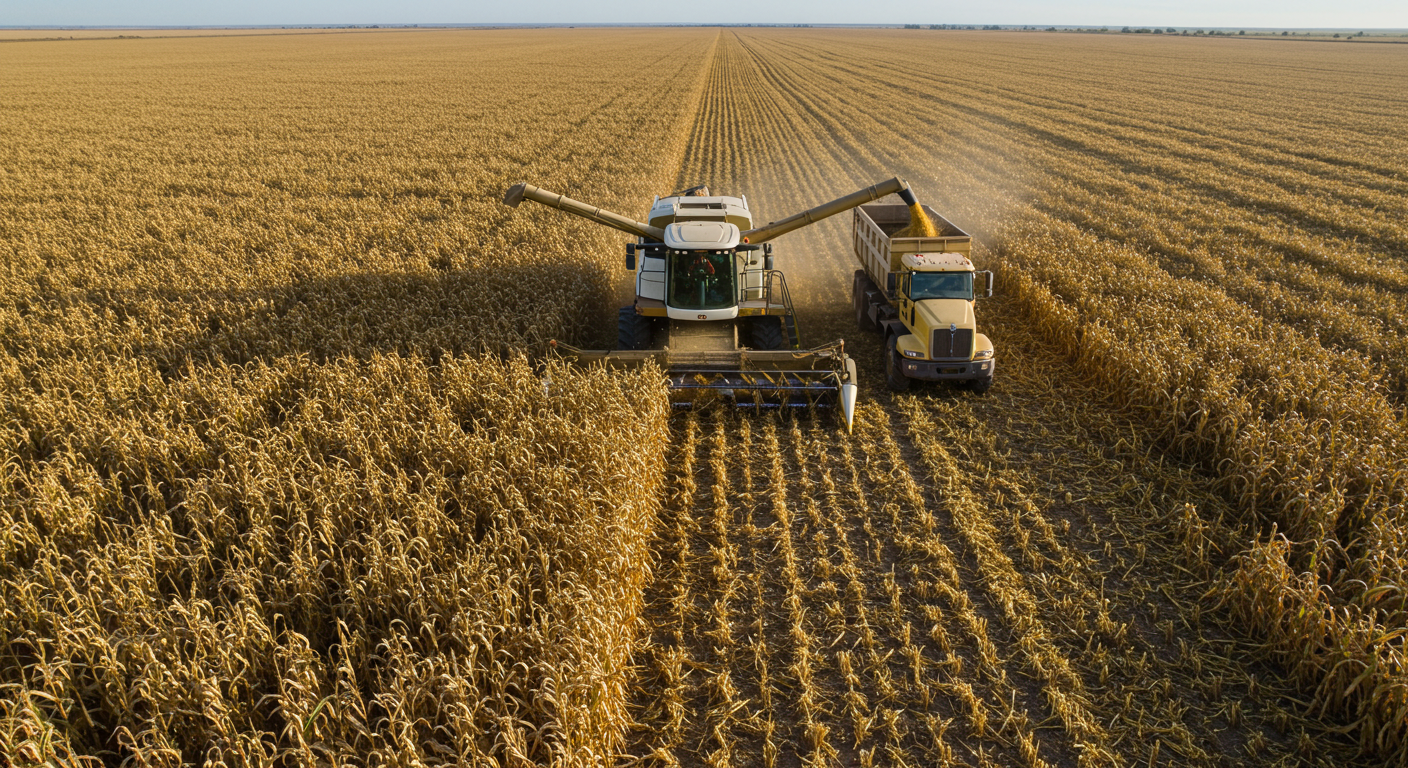
Argentina: Export capacity in the range of ~32–36 million tonnes in 2024 with forecasts around 34 MMT for 2025. World-class port and river terminal infrastructure allows efficient loading of Panamax and Handymax vessels; 15,000‑20,000‑tonne single-vessel lots and larger are routinely handled.
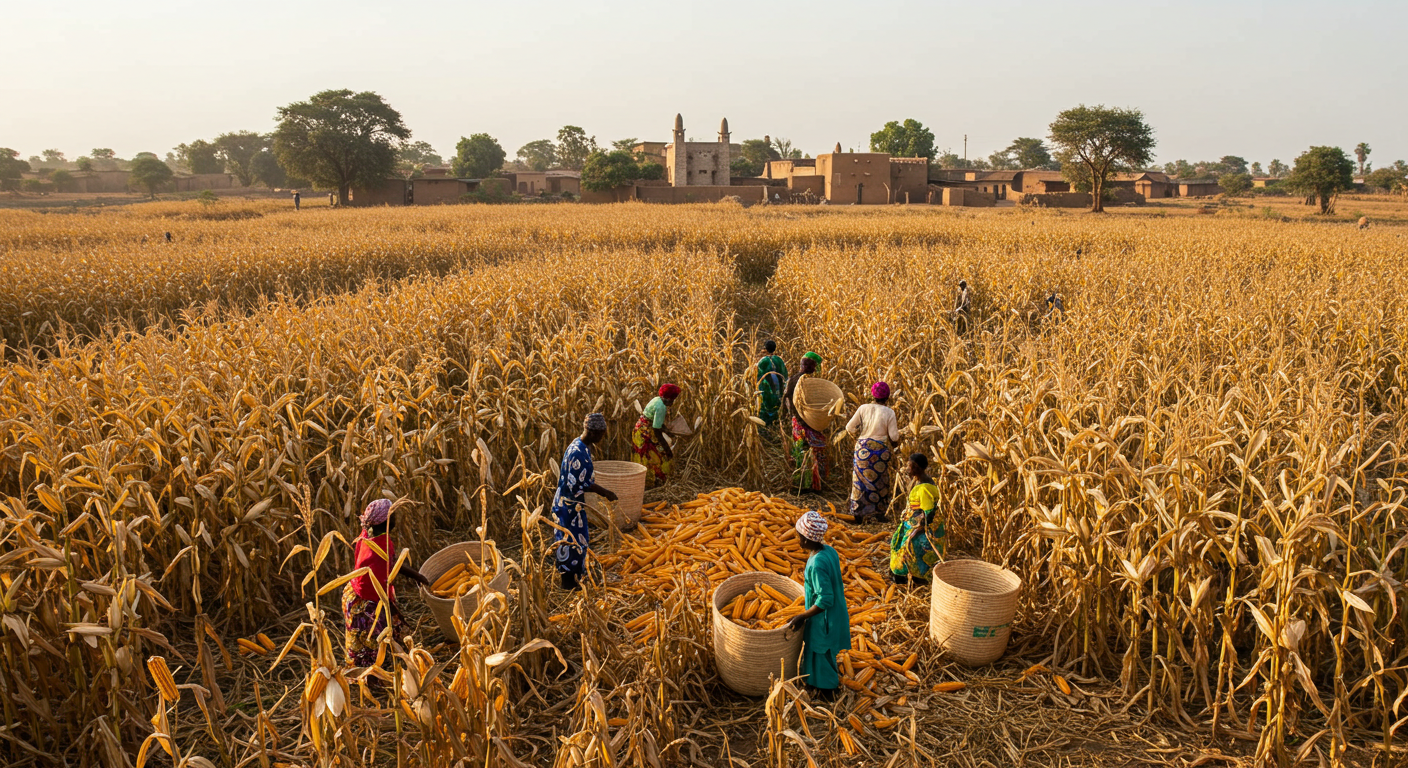
Africa (continental view): Exports are concentrated—South Africa is the continent’s largest exporter (~2.0–2.2 MMT in 2024; ~2.1 MMT outlook in 2025). Other African exporters (Tanzania, Mozambique, etc.) supply smaller volumes mainly for neighboring markets.
Product split: Argentina ships predominantly yellow maize (feed/industrial). Africa ships both white maize (staple food for human consumption) and yellow maize (feed), with white maize primarily moving intra-regionally.
Why choose Argentina? (Feed & industrial maize)
1. Scale and price competitiveness
2. Reliable bulk logistics for 15,000+ MT shipments
3. Seasonal timing that complements other origins
4. Consistent feed quality for industrial users
Argentine corn is primarily yellow maize suitable for poultry, swine, aquafeed, and ethanol/starch plants. Producers find Argentine supply aligns well with feed formulation requirements.
Why choose African origins? (Human and feed maize)
1. White maize for food markets
For manufacturers and humanitarian/food processors requiring white maize (for tortillas, porridge, ugali, nshima), African suppliers—especially from southern and east Africa—are natural fit. These origins supply culturally preferred white varieties used by major regional food processors.
2. Regional proximity and trade corridors
3. Yellow maize for feed with strong linkages to Asia
4. Flexibility for smaller, targeted shipments
While continental volumes are smaller than Argentina’s, African suppliers can assemble monthly lots (15,000 MT and above) for spot and short-term contracts—particularly attractive for buyers prioritizing white maize or regional sourcing.
Logistics & practical guidance for bulk buyers (15,000 MT/month and spot)
Loading options: Panamax or Handymax vessels are standard for long-haul routes; single-vessel loads in the 15–60k MT range are routine at major ports. Argentina’s Rosario and Atlantic terminals and South Africa’s ports (Durban, Richards Bay) are equipped for these lifts.
Freight & timing: Shipping schedules vary by origin and destination. Argentina’s longer haul to Asia is offset by scale and lower commodity prices; African origins may offer shorter transit to regional and certain Asian ports. Buyers should plan shipments around harvests to secure favorable rates and minimize demurrage.
Quality & documentation: Insist on clear segregation (white vs yellow), sampling and certificates of analysis before shipment—especially for food-grade white maize. For feed, verify moisture, foreign matter and mycotoxin testing. Work with experienced local exporters who provide phytosanitary and commercial documentation.
Risk management & supply assurance
Stagger sourcing: Combine Argentine and African origins to reduce seasonality and geopolitical risk; e.g., lock multi-month Argentine shipments for feed and secure regional African lots for food-grade white maize.
Use forward contracts & options: Where available, use fixed-price forwards for core volumes and spot for opportunistic buys.
Vet logistics partners: Prioritize exporters with proven port access, vessel-loading track records, and cold-chain or clean storage for food-grade maize.
Tailored buying scenarios (examples)
A. Large feed mill in Southeast Asia: Contract 30,000–60,000 MT monthly from Argentina during its shipping window to secure low-cost yellow maize for poultry and aquafeed. Use one-panamax shipments per port call to lower per-tonne freight.
B. Regional food processor in East Africa: Source white maize from Tanzania/South Africa in monthly 15,000–25,000 MT cargoes to meet consumer-preference specifications and benefit from shorter transit and regional trade rules.
C. Blended strategy for a multinational food manufacturer: Combine Argentine yellow maize for bulk feed and starch needs with African white maize for region-specific food products—optimized for price, timeliness and product specs.
Three-point pitch for your procurement team
Cost-efficiency at scale — Argentina’s massive exports lower landed cost for large feed and industrial buyers.
Product fit & variety — Africa supplies the white maize required for human-food products; South Africa supplies feed-grade yellow maize for regional and export markets.
Flexible logistics for 15k+ MT lots — Both origins support monthly bulk shipments and spot cargoes; combine them for resiliency and price optimization.
Next steps (recommended)
Request commercial offers and CIF/FOB pricing for benchmark routes (e.g., Argentina → Vietnam, Argentina → Peru, South Africa → Japan, Tanzania → Kenya) on 15k, 25k, and 50k MT sizes.
Ask suppliers for recent COAs, phytosanitary docs, vessel-loading evidence, and references from similar buyers.
Arrange a short trial shipment (15k–25k MT) to validate quality, transit time and port handling before scaling contract volumes.
Deko Integrated and Agro Processing Limited
3rd and 4th Floors, Idubor House
52 Mission Road
300002 Benin City
Edo State
Nigeria
Phone/WhatsApp: + 2349040848867 (Nigeria) +85510333220 (Cambodia)
Email: sales@dekoholding.com
Website: https://dekoholding.com
Social media
LinkedIn https://www.linkedin.com/company/83495920
YouTube https://www.youtube.com/@DekoGroup
Deko Integrated and Agro Processing Limited is an agricultural firm and exporter of agricultural commodities in Nigeria. We are part of Deko Group, a global network of companies that seeks to transform the agricultural and food sectors in Nigeria and the ECOWAS countries through disruptive technologies and innovations.
We are passionate about creating value for our customers, partners, and stakeholders, as well as making a positive impact on the local communities and the environment. We are committed to delivering excellence in everything we do, from growing high-quality crops to processing them into value-added products.